Longevity is usually sold as a promise. We treat it as a policy goal made personal.
Estonia's national health strategy frames healthier lifestyles as the largest available opportunity to improve healthy life years — the years you spend in reasonable health rather than simply alive. Prevention sits at the center of that plan.
On this page we explain what that means in practice, which daily habits carry the weight, and what we deliberately leave out.
What healthy life years means
The phrase refers to time lived in good functional health, not total lifespan. It is the measure public health planning in Estonia uses, and it changes what advice makes sense.
Adding years at the very end matters less than protecting the middle decades from avoidable decline. That reframing puts daily routine ahead of any single intervention.
The measure is functional, not chronological
Mobility, sleep, mood and steadier energy are what a healthy-life-years plan is trying to protect — not a birthday count.
The gains are slow and cumulative
Nothing here works in a week. Sleep, food, movement and social contact compound quietly over years.
Prevention before correction
Estonia's obesity action plan, referenced in OECD work on prevention, pairs nutrition improvement with physical exercise and treats overweight as a major chronic-disease driver.
National planning names unbalanced nutrition and limited physical activity as preventable risks, alongside alcohol, tobacco and drugs. The word preventable is doing the work here — the point of intervention is years before a problem, not after it.
What prevention-first means for you
Adjust the routine long before a diagnosis, not after one.
Treat unbalanced nutrition as changeable, not as a personality trait.
Count movement you will still be doing next winter.
The daily habits that matter most
Official Estonian health messaging lists rest and sleep, exercise, a regular and varied diet, and supportive relationships as the habits relevant to wellbeing. Simple list, serious effect.
Rest and sleep of adequate lengthSupports nearly everything else — regularity counts as much as duration.
Exercise you keep doingMaintains cardiovascular capacity. Boring and repeatable beats heroic and rare.
A regular and varied dietWhole grains, vegetables and seasonal food keep energy and weight steadier.
Supportive relationshipsBuffers chronic stress. No special equipment or expense required.
Movement and cardiovascular risk over time
The European Commission factsheet for Estonia gives the adult minimum as 30 minutes of exercise twice a week, framed as public health rather than performance. That framing is useful for longevity: you are not training for anything, you are maintaining the system.
Regular moderate activity supports cardiovascular health, sleep quality and mood, and the benefits accumulate over decades. Starting at forty or sixty still changes the trajectory.
Diet patterns that last for years
Longevity eating is boring by design. Whole grains, vegetables, berries in season, protein at meals, not much ultra-processed food.
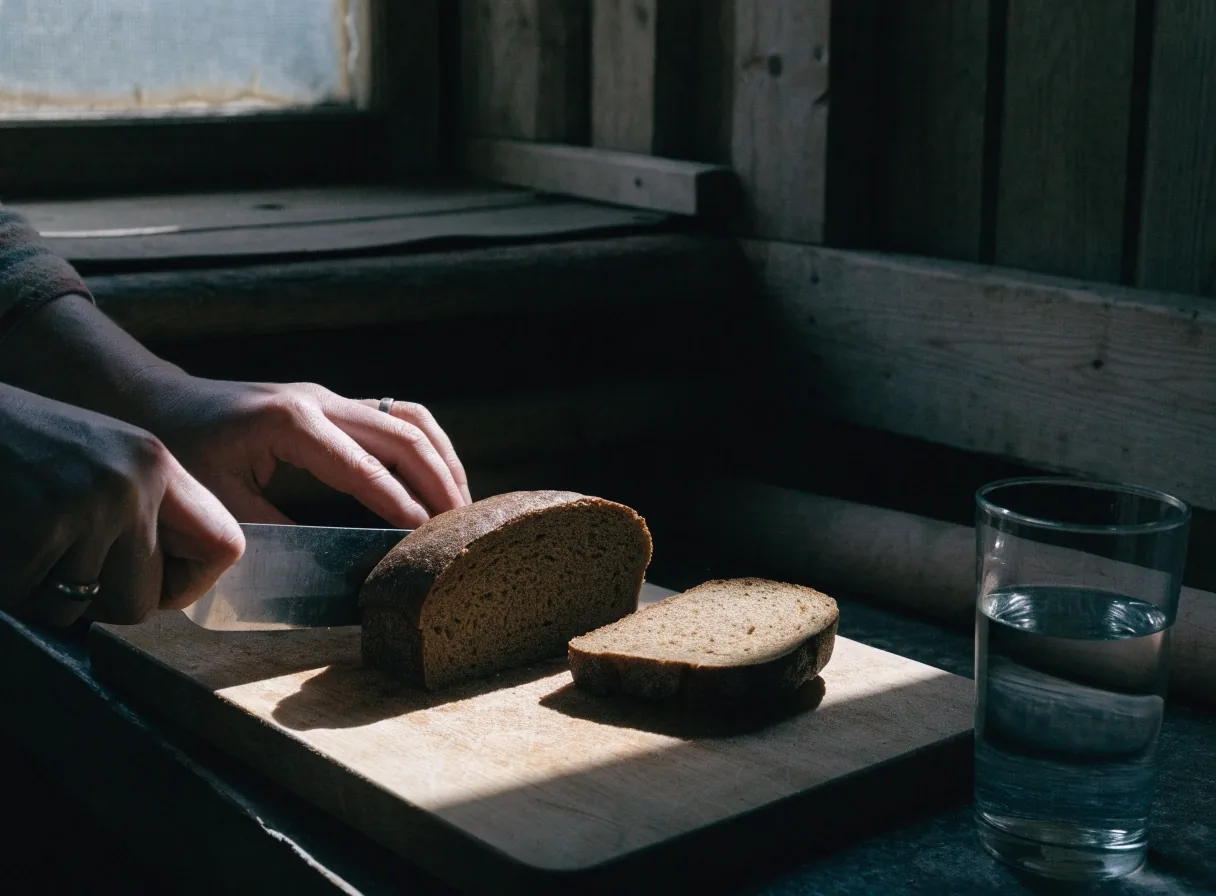
Estonia's food-based guidance recommends whole grains directly and treats porridge and bread as part of the daily menu, which tells you the model is ordinary food eaten consistently. Short, severe diets rarely hold for years. Patterns do. If a way of eating cannot survive a Christmas or a stressful month, it will not survive a decade either.
A simple test: could this plate appear twice a week for the next five years without a fuss? If not, it is a project, not a habit.
Supportive relationships and social environment
Estonia's strategy links health with the social environment and behavior, not just individual choices. That is honest, because isolation and chronic stress affect health as reliably as diet does.
Regular contact with people you trust, a reason to leave the house and some sense of belonging all support the years you are trying to protect. This is part of longevity work, not a separate topic.
A standing weekly call or a shared meal costs less than any supplement and holds up better over a decade.
What we leave out
Longevity content online often sells certainty that does not exist. Here is what you will not find on this page — and why.
No anti-aging supplements
We do not sell bottles, and we do not recommend buying them to replace habits that already work.
No promises about specific added years
Nobody can honestly predict a number of extra years from a routine. We describe habits with a sound basis and let the results stay individual.
No before-and-after framing
Health progress is slow and rarely photogenic. We would rather show the routine than stage a transformation.
What we can offer instead
A description of habits with a sound basis and help applying them to your own week, one step at a time.
Building your own version
Start with whichever of the four habits is weakest for you. Then read the topic page for that area, or ask us where to begin.
1
Start with sleep if it is the weakest link
A steadier sleep window often makes eating, movement and mood easier to manage in the same month. Read Sleep & Recovery
The things visitors ask us most about longevity and healthy life years.
Is it too late to start in my fifties or sixties?
No. The European Commission factsheet frames 30 minutes of exercise twice a week as public health guidance for all adults, not as training for a specific age. Benefits accumulate over decades, so the trajectory shifts from wherever you begin.
Do I need supplements to protect healthy life years?
We do not sell anti-aging supplements and it is not the model we work from. Official Estonian messaging puts rest and sleep, exercise, a regular and varied diet, and supportive relationships first. If you take supplements for a medical reason, that decision belongs with your own doctor.
Which habit should I fix first if I only have time for one?
Sleep is usually the highest-return starting point because it steadies appetite, energy and mood, which makes the other habits easier to hold. If you sleep well already, look at the eating rhythm of your day or at how much movement is currently missing from your week.
How quickly should I expect any change?
Sleep and mood often respond within a few weeks; weight, cardiovascular capacity and long-term risk move over months and years. We say that plainly because it shapes how you plan, not because it is discouraging.
Where to continue
Pick the habit that is weakest in your week and start there.
Nutritionist-led guidance on sleep, balanced nutrition, fatigue prevention and sustainable longevity habits for adults in Estonia. Guidance here is educational and lifestyle-oriented; it does not replace advice from your own doctor.